Tree Trimming vs. Tree Pruning: What’s the Difference for El Monte Homeowners?
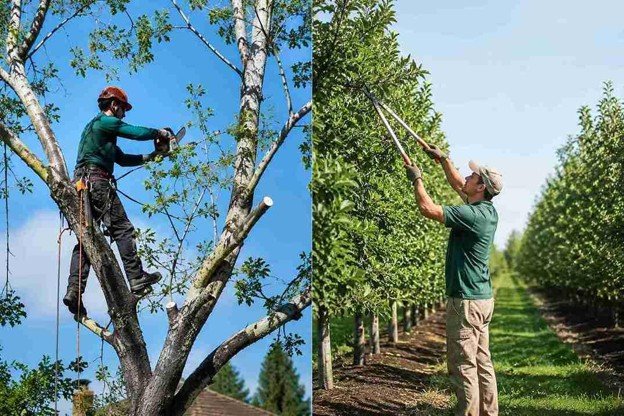
Many homeowners use the terms tree trimming and tree pruning interchangeably, but they are not exactly the same. While both involve removing branches from a tree, each serves a different purpose and plays an important role in maintaining healthy, attractive, and safe landscapes.
Understanding the difference helps homeowners make informed decisions about tree care, avoid unnecessary removals, and protect their property’s long-term value. Whether you have mature shade trees, ornamental trees, palms, or native California species, knowing when to trim and when to prune can improve tree health while reducing potential safety hazards.
Throughout El Monte, trees are exposed to hot summers, seasonal winds, occasional winter storms, and periods of drought. These local environmental conditions make regular tree maintenance an essential part of responsible property ownership.
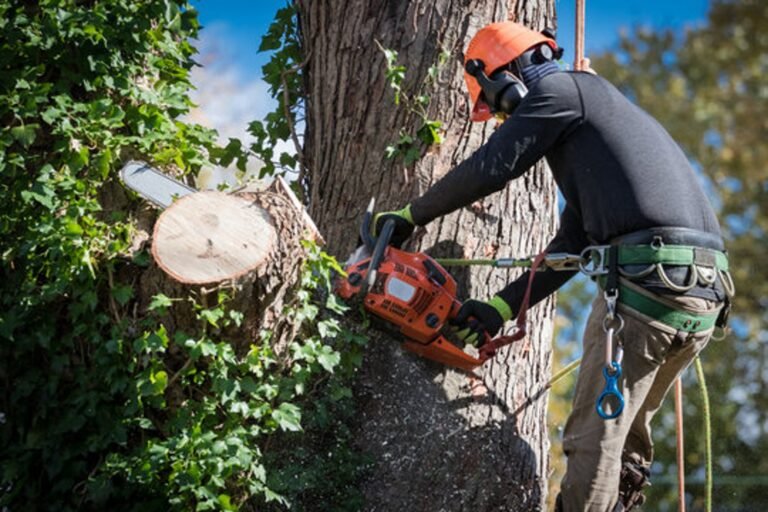
If you’re looking for expert guidance, our tree trimming and pruning services in El Monte, CA help homeowners maintain healthier trees while improving safety and curb appeal.
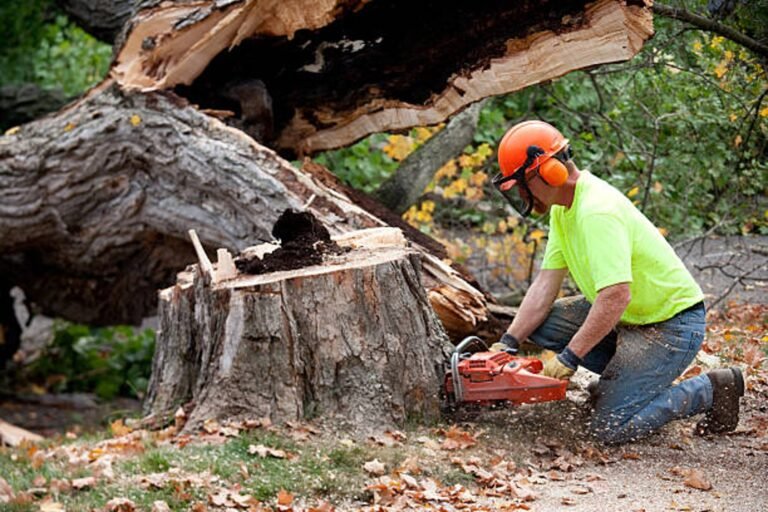
If you’re unsure whether your tree needs maintenance or complete removal, our professional tree removal services in El Monte can evaluate your tree’s condition and recommend the most appropriate solution.
Why Homeowners Often Confuse Tree Trimming and Tree Pruning
At first glance, trimming and pruning appear to accomplish the same task. Both involve removing branches, improving the appearance of a tree, and reducing potential hazards. However, professional arborists use each service for different reasons depending on the tree’s condition, age, species, and long-term health goals.
Choosing the wrong approach may reduce a tree’s structural integrity, encourage weak growth, or create unnecessary stress. Understanding the purpose behind each service helps homeowners invest in the right type of maintenance at the right time.
Both Services Remove Branches
The biggest reason people confuse trimming and pruning is that both involve cutting branches.
However, professional tree care focuses on why branches are removed—not simply how they are removed.
Some branches are removed to improve appearance, while others are removed to improve the tree’s health, reduce safety risks, or encourage stronger growth.
This distinction becomes especially important for mature trees that have grown close to homes, driveways, sidewalks, fences, or utility lines.
Tree Trimming Focuses on Appearance and Growth Management
Tree trimming primarily manages the size and shape of a tree.
Professional trimming may help:
- Maintain an attractive canopy
- Improve clearance over sidewalks and driveways
- Reduce interference with roofs
- Improve sunlight penetration
- Encourage balanced growth
- Maintain neighborhood aesthetics
Routine trimming also helps reduce overcrowded branches, allowing more airflow through the canopy while improving the overall appearance of the landscape.
Many homeowners schedule professional tree trimming services every few years as part of regular landscape maintenance.
Tree Pruning Focuses on Long-Term Tree Health
Tree pruning is more closely associated with the health and structural development of the tree.
Rather than simply shaping the canopy, pruning targets specific branches that may affect the tree’s long-term condition.
Professional pruning commonly removes:
- Dead branches
- Diseased limbs
- Broken branches
- Weak branch unions
- Crossing branches
- Storm-damaged growth
Proper pruning helps reduce the spread of disease, improve air circulation, encourage healthier growth, and minimize future safety hazards.
Because pruning requires an understanding of tree biology and growth patterns, it’s often performed more selectively than routine trimming.
What Is Tree Trimming?
Tree trimming is one of the most common maintenance services performed on residential and commercial properties throughout El Monte.
Its primary goal is to manage the tree’s size, shape, and overall appearance while reducing minor safety concerns caused by overgrown branches.
Well-maintained trees not only improve curb appeal but also provide better shade, improved visibility, and a more balanced landscape.
Professional trimming is commonly recommended for:
- Shade trees
- Ornamental trees
- Palm trees
- HOA landscapes
- Commercial properties
- Apartment communities
Improving Property Appearance
One of the biggest benefits of trimming is aesthetic improvement.
A properly shaped tree creates a cleaner, more balanced landscape that complements the surrounding property.
Homeowners often schedule trimming before:
- Selling a home
- Exterior renovations
- Seasonal landscaping
- Property inspections
- HOA maintenance
Healthy, well-maintained trees can significantly enhance a property’s overall appearance.
Increasing Clearance Around Structures
As trees mature, branches naturally expand outward and downward.
Without regular trimming, branches may begin to interfere with:
- Roofs
- Gutters
- Chimneys
- Windows
- Driveways
- Walkways
- Outdoor lighting
Removing these branches helps reduce the risk of property damage while improving access around the home.
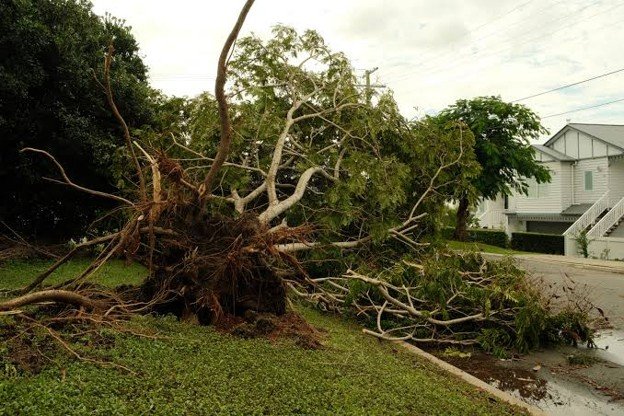
If overgrown branches have already become hazardous, our storm damage cleanup specialists serving El Monte can safely remove damaged limbs following severe weather.
Improving Safety Throughout the Property
Overgrown limbs can create hazards long before they become obvious.
Branches may become weak because of:
- Age
- Wind exposure
- Drought stress
- Disease
- Insect activity
- Previous storm damage
Routine trimming helps reduce these risks before branches fail unexpectedly.
This is particularly important before Southern California’s seasonal wind events, when weakened limbs are more likely to break.
What Is Tree Pruning?
Although trimming and pruning are closely related, pruning takes a more specialized approach by focusing on the tree’s biology rather than its appearance.
Professional pruning is intended to improve the tree’s long-term health, structural stability, and future growth.
Instead of removing large portions of the canopy, pruning targets carefully selected branches that may interfere with healthy development.
For many trees, proper pruning performed at the right time can reduce future maintenance needs while extending the tree’s lifespan.
Preventing Disease and Decay
Removing diseased or damaged branches early may help prevent problems from spreading throughout the canopy.
Pruning also improves airflow and allows more sunlight to reach interior branches, creating conditions that support healthier growth.
This proactive approach often helps homeowners avoid larger problems that could eventually require complete removal.
If a tree has already become structurally unsafe, our professional tree removal specialists in El Monte can evaluate whether removal is the safest long-term solution.
Encouraging Stronger Structural Growth
Young trees especially benefit from structural pruning.
Proper branch selection encourages balanced growth while reducing future problems such as:
- Weak branch attachments
- Crossing limbs
- Unbalanced canopies
- Excessive weight distribution
Over time, thoughtful pruning helps trees become stronger and more resilient during storms and high winds.
Tree Topping vs. Proper Tree Pruning
One of the biggest misconceptions homeowners have is that tree topping is simply another form of pruning. While both involve removing branches, they are very different practices with very different outcomes.
Tree topping involves cutting back the upper portion of a tree by removing large branches or the main trunk without considering the tree’s natural growth pattern. Proper pruning, on the other hand, focuses on selectively removing branches to improve the tree’s health, structure, and long-term stability.
Understanding the difference can help homeowners make better decisions while protecting one of the most valuable features of their landscape.
Why Tree Topping Is Generally Discouraged
Professional arborists generally avoid tree topping because it can create unnecessary stress for many tree species.
Potential concerns include:
- Weak regrowth
- Increased risk of decay
- Poor structural stability
- Greater exposure to insects and disease
- Sunscald on exposed limbs
- Increased maintenance requirements
Instead of solving long-term problems, topping may actually create additional safety concerns as new shoots develop with weaker attachments than the original branches.
Benefits of Proper Tree Pruning
Proper pruning supports the tree’s natural growth while reducing potential hazards.
Professional pruning may help:
- Improve structural integrity
- Remove damaged limbs
- Encourage balanced growth
- Increase airflow
- Improve sunlight penetration
- Reduce disease pressure
- Enhance long-term tree health
Because every tree responds differently, pruning should always be tailored to the species, age, condition, and location of the tree.
When Is the Best Time to Prune Trees in Southern California?
Timing is an important part of successful tree care.
Southern California’s mild climate allows many trees to be maintained throughout much of the year, but the ideal pruning schedule depends on the species, growth habits, and overall health of the tree.
Rather than following one universal calendar, professional tree companies evaluate each tree individually before recommending the best maintenance schedule.
Oak Trees
Oak trees are among the most valuable landscape trees found throughout Southern California.
Many homeowners ask when they should prune mature oaks.
Because timing can influence tree health and disease management, pruning is often scheduled during periods that help reduce unnecessary stress while supporting healthy growth.
Regular inspections also help identify damaged or weakened branches before they become safety hazards.
Palm Trees
Palm trees require a different maintenance approach than traditional shade trees.
Unlike hardwood trees, palms continuously produce new fronds from the crown.
Professional maintenance often focuses on removing:
- Dead fronds
- Broken fronds
- Hanging seed pods
- Storm-damaged growth
Removing healthy green fronds unnecessarily may weaken the tree and reduce its ability to produce energy.
Flowering and Ornamental Trees
Flowering trees are often pruned according to their blooming cycle.
Careful timing helps preserve seasonal blooms while encouraging healthy future growth.
Because every species responds differently, professional evaluations help determine the most appropriate maintenance schedule.
Can Regular Pruning Prevent Tree Removal?
One of the biggest benefits of routine pruning is that it may reduce the likelihood of complete tree removal in the future.
While not every tree can be saved, proactive maintenance often allows problems to be identified before they become serious safety concerns.
Professional pruning may help:
- Remove weak limbs before they fail.
- Improve structural balance.
- Reduce canopy weight.
- Encourage healthy branch development.
- Improve airflow.
- Reduce disease pressure.
Over time, these improvements may extend the life of many mature trees.
If your tree has already become structurally compromised, our professional tree removal services in El Monte, CA can determine whether removal is the safest long-term solution.
If you’re curious about the factors that influence removal pricing, our complete Tree Removal Cost Guide for El Monte homeowners explains what affects project costs and how professional estimates are prepared.
Signs Your Tree May Need Pruning
Many homeowners wait until a branch falls before scheduling maintenance.
Instead, consider having your tree evaluated if you notice:
- Dead branches
- Broken limbs
- Dense canopy growth
- Branches rubbing together
- Branches touching your roof
- Low-hanging limbs over sidewalks
- Visible storm damage
- Excessive leaning
Early maintenance often prevents larger problems later.
Is Root Pruning Safe Near Foundations or Driveways?
Tree roots naturally expand as trees mature, sometimes extending beneath sidewalks, patios, driveways, retaining walls, or building foundations.
When roots begin lifting concrete or interfering with nearby structures, homeowners often wonder whether root pruning is the right solution.
The answer depends on the tree’s species, size, stability, and overall health.
Removing large structural roots without proper planning can reduce stability and increase the risk of tree failure.
Professional evaluations help determine whether selective root pruning, root barriers, or alternative solutions are more appropriate.
When Root Problems Should Be Evaluated
Signs that warrant professional attention include:
- Cracked sidewalks
- Lifted driveways
- Foundation concerns
- Surface roots
- Uneven walkways
- Drainage interference
Rather than cutting roots without evaluating the entire tree, homeowners should first determine whether the tree remains structurally sound.
Why Deep Root Fertilization Matters
Urban trees often grow in compacted soil where nutrients, oxygen, and water may not reach deeper root systems efficiently.
Deep root fertilization introduces nutrients beneath the soil surface where many feeder roots actively absorb moisture and minerals.
Potential benefits include:
- Improved nutrient availability
- Stronger root systems
- Better drought tolerance
- Improved tree vigor
- Enhanced canopy development
Healthy root systems support healthier trees, especially during Southern California’s hot, dry summers.
Can Deep Root Treatments Save a Diseased Tree?
Every tree responds differently depending on:
- Tree species
- Disease severity
- Environmental conditions
- Overall health
- How early problems are identified
Some trees benefit from improved soil health and professional care, while others may have damage that cannot be reversed.
A professional evaluation is the best way to determine appropriate treatment options before deciding that removal is necessary.
How Much Does Tree Trimming Cost in El Monte?
One of the most frequently asked questions homeowners have is how much tree trimming costs.
Rather than having one standard price, professional estimates are based on several project-specific factors.
These commonly include:
- Tree height
- Tree species
- Number of trees
- Accessibility
- Equipment requirements
- Amount of pruning required
- Cleanup and debris removal
- Property conditions
Because every landscape is different, reputable tree companies typically perform an on-site inspection before providing an estimate.
If you would like to understand how pricing varies between trimming and complete removals, read our Tree Removal Cost Guide for El Monte homeowners for a detailed explanation of the factors that influence tree care costs.
How Often Should Trees Be Trimmed or Pruned?
There is no universal schedule that applies to every tree. The ideal maintenance interval depends on the tree’s species, age, health, growth rate, and location on your property. Regular inspections are often more valuable than following a fixed calendar because they help identify developing problems before they become expensive or hazardous.
Homeowners in El Monte should also consider Southern California’s unique climate. Hot summers, extended dry periods, occasional winter storms, and seasonal Santa Ana winds can all affect tree growth and increase the likelihood of damaged or weakened branches.
Routine maintenance may help homeowners:
- Maintain healthy tree growth
- Improve property appearance
- Reduce storm-related hazards
- Prevent branches from contacting roofs or utility lines
- Extend the lifespan of mature trees
Scheduling periodic evaluations with a professional tree care company allows maintenance to be planned before problems become emergencies.
Residential Tree Maintenance
Residential properties often benefit from routine inspections that evaluate tree health, structural stability, and potential safety concerns.
Homeowners frequently schedule trimming or pruning when they notice:
- Branches growing too close to the roof
- Limbs hanging over driveways or sidewalks
- Dead or damaged branches
- Dense canopies reducing sunlight
- Storm-related damage
- Trees interfering with neighboring properties
Regular maintenance can often prevent larger, more expensive projects later.
Commercial Property Tree Care
Commercial landscapes typically require ongoing maintenance programs to keep trees attractive, safe, and compliant with property management standards.
Professional maintenance may include:
- Routine canopy management
- Hazard assessments
- Clearance over parking lots
- Sidewalk maintenance
- Storm preparation
- Seasonal inspections
Our complete tree service solutions support homeowners, commercial properties, apartment communities, and HOAs throughout El Monte.
Choosing the Right Tree Care Company
Whether your tree needs trimming, pruning, or complete removal, choosing the right contractor is one of the most important decisions you’ll make.
Professional tree care requires experience, proper equipment, careful planning, and an understanding of how different tree species respond to pruning techniques.
Rather than selecting a company based solely on price, homeowners should look for professionals who clearly explain the recommended work, answer questions, and prioritize the long-term health of the tree whenever possible.
At CanopyQuest Tree Care, we believe every property deserves a customized tree care plan based on its unique landscape, tree species, and maintenance goals.
Questions to Ask Before Scheduling Tree Service
Before hiring a tree care company, consider asking:
- Does my tree need trimming or pruning?
- Can the tree be preserved?
- What equipment will be used?
- Will cleanup be included?
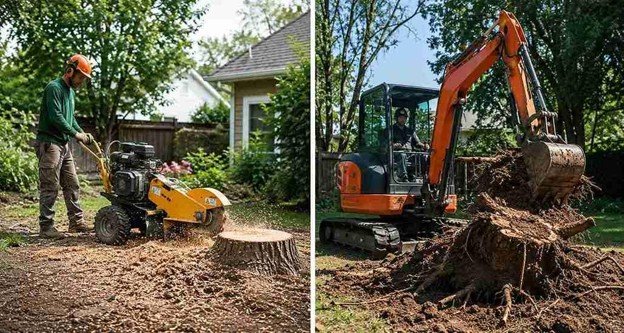
- Should the stump be removed if the tree cannot be saved?
- How long will the project take?
- Are there any safety concerns I should know about?
These conversations help homeowners better understand the recommended work while building confidence in the decision-making process.
Common Tree Care Mistakes Homeowners Should Avoid
Many tree problems develop gradually over several years. Taking a proactive approach to maintenance often prevents costly repairs and unnecessary removals later.
Some of the most common mistakes include:
- Waiting until branches begin falling.
- Topping trees instead of properly pruning them.
- Ignoring early signs of disease or decay.
- Removing large roots without professional evaluation.
- Delaying maintenance after storms.
- Attempting major pruning projects without proper equipment.
Routine inspections allow many of these issues to be addressed before they become serious safety hazards.
If severe weather has already damaged your trees, our storm damage cleanup services in El Monte can safely remove broken limbs, fallen trees, and hazardous debris while protecting your property.
Final Thoughts
Tree trimming and tree pruning may appear similar, but each serves a distinct purpose in maintaining healthy, attractive, and safe landscapes. While trimming focuses primarily on appearance, clearance, and growth management, pruning supports long-term tree health, structural stability, and disease prevention.
Understanding the difference helps homeowners choose the right service at the right time, reducing unnecessary maintenance while protecting one of the most valuable features of their property.
Whether you’re caring for mature shade trees, ornamental species, or palms, regular inspections and proactive maintenance can extend the life of your trees while minimizing future safety concerns.
If you’re unsure whether your trees need trimming, pruning, or complete removal, CanopyQuest Tree Care provides professional evaluations tailored to your property’s needs.
You can also explore our El Monte Tree Service Resource Center for additional homeowner guides, tree care resources, and expert advice covering every aspect of residential and commercial tree maintenance throughout El Monte, California.