Tree Removal Permit in El Monte, CA | Complete Guide
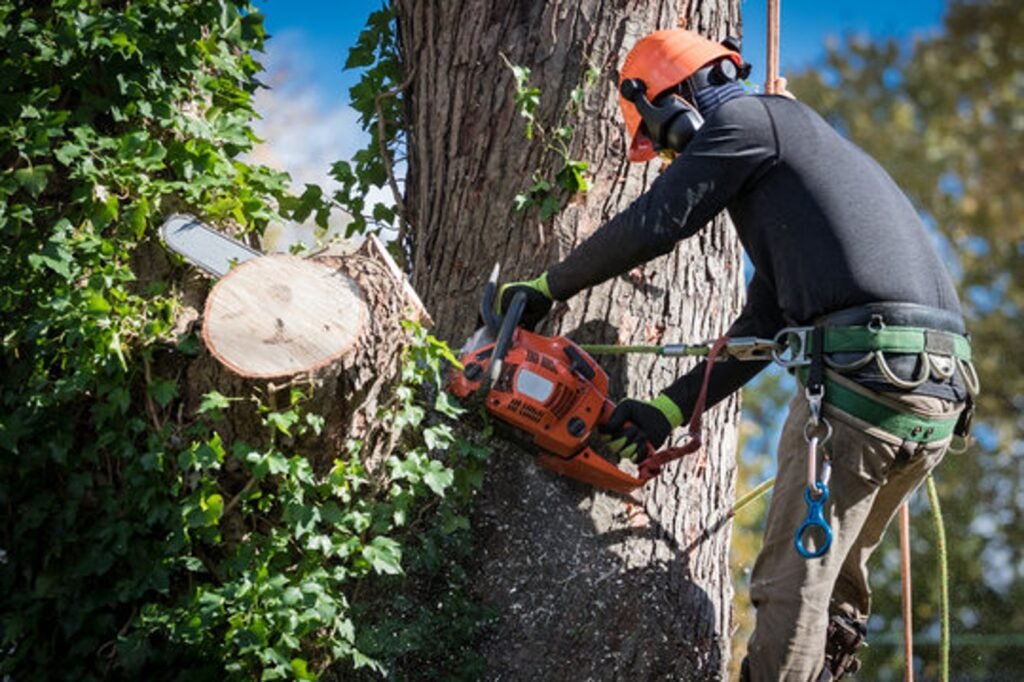
Do You Need a Permit to Remove a Tree in El Monte, CA? What Homeowners Should Know
Removing a tree from your property may seem like a straightforward project, but many homeowners quickly discover there are important questions to answer before any work begins. One of the most common is: Do you need a permit to remove a tree in El Monte, CA?
The answer depends on several factors, including the tree’s location, size, species, condition, and the local regulations that may apply to your property. While some trees can be removed without additional approvals, others may require review by local authorities or compliance with municipal ordinances.
Understanding these requirements before scheduling work can help homeowners avoid unnecessary delays, unexpected costs, or complications during the project. Just as importantly, consulting a qualified tree professional allows you to determine whether removal is actually the best solution or whether trimming, pruning, or another form of tree care may safely preserve the tree.
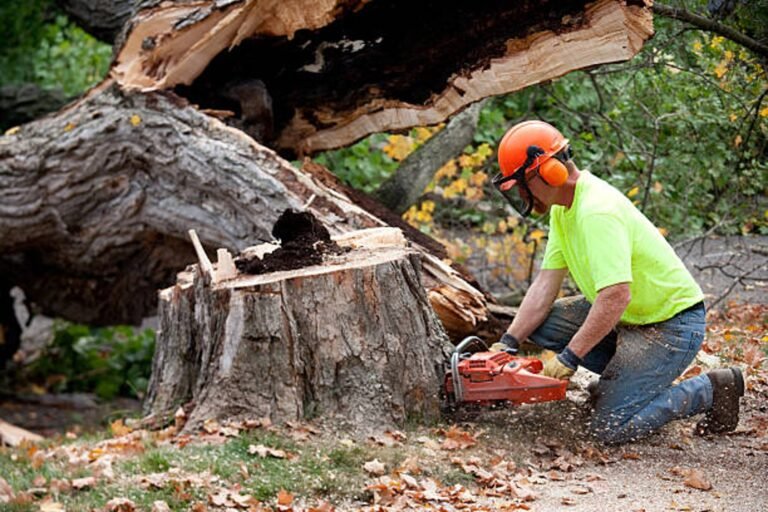
If you’re still deciding whether removal is necessary, our professional tree removal services in El Monte, CA provide expert evaluations for residential and commercial properties throughout the area.
If you’re also wondering about pricing, our complete Tree Removal Cost Guide for El Monte homeowners explains the factors that influence removal costs and what to expect during the estimate process.
Why Tree Removal Permits Exist
Many property owners assume permits are simply another administrative requirement. In reality, tree regulations are generally intended to balance property rights with public safety, environmental protection, and responsible urban planning.
Cities often establish tree regulations to help preserve mature landscapes, protect certain species, reduce public hazards, and maintain neighborhood character. Large trees contribute valuable environmental benefits, including shade, improved air quality, stormwater management, and wildlife habitat. Because of these benefits, local governments may require additional review before certain trees are removed.
Permit requirements are not designed to prevent responsible tree removal. Instead, they help ensure that trees are evaluated appropriately before irreversible decisions are made.
Professional tree companies understand that every property is unique and can often help homeowners identify potential permitting considerations before work begins.
Protecting Public Safety
One of the primary reasons municipalities regulate tree removal is to reduce safety risks during the removal process.
Large trees may affect:
- Public sidewalks
- Streets
- Neighboring homes
- Utility infrastructure
- Parks
- Public easements
Removing a mature tree without proper planning can create hazards not only for the property owner but also for surrounding residents and passing traffic.
Professional crews evaluate:
- Tree stability
- Fall direction
- Equipment access
- Nearby structures
- Underground utilities
- Electrical hazards
This planning helps minimize risks while ensuring the project is completed safely.
Preserving Healthy Urban Trees
Healthy trees provide long-term value to neighborhoods throughout El Monte.
Mature trees can:
- Improve curb appeal
- Increase shade during hot Southern California summers
- Reduce cooling costs
- Improve neighborhood aesthetics
- Support local wildlife
- Enhance property values
Because mature trees take decades to replace, some communities encourage preservation whenever practical.
This is one reason a professional assessment is valuable before deciding that removal is the only option.
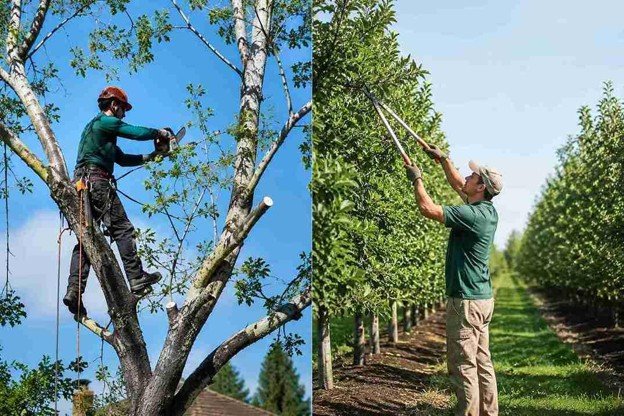
In many situations, routine tree trimming and pruning services may improve a tree’s health, reduce hazards, and extend its lifespan without requiring complete removal.
Environmental Considerations
Trees play an important role in maintaining healthy urban environments.
They help:
- Reduce heat buildup
- Improve air quality
- Filter stormwater runoff
- Reduce soil erosion
- Provide habitat for birds and beneficial wildlife
Southern California’s warm climate places unique stresses on trees, especially during periods of prolonged drought or extreme heat.
Proper maintenance often helps trees remain healthier while reducing the likelihood of emergency removals following severe weather or prolonged environmental stress.
Does Every Tree Require a Permit?
One of the biggest misconceptions homeowners have is believing that every tree removal automatically requires a permit.
In reality, permit requirements vary depending on several factors.
These may include:
- Tree species
- Tree size
- Tree health
- Property zoning
- Local ordinances
- Historic district regulations
- Commercial or residential property classification
- Homeowners association requirements
Because these requirements can change over time, homeowners should verify current regulations with the appropriate local authority before beginning work.
Rather than relying on assumptions or outdated information, a professional inspection can help determine whether additional approvals may be necessary for your specific property.
Does Tree Size Matter?
In many communities, larger trees receive additional consideration because of their environmental value and their contribution to neighborhood landscapes.
Tree diameter, canopy spread, and overall condition may all influence how a tree is evaluated.
While smaller ornamental trees may present fewer concerns, large mature shade trees often require a more thorough assessment before removal.
Each property should be evaluated individually rather than assuming one rule applies to every situation.
What About Dead or Diseased Trees?
Homeowners frequently ask whether permits are still necessary if a tree is clearly dead or dying.
The answer depends on the specific circumstances and applicable local regulations.
Trees suffering from severe disease, structural failure, insect damage, or storm-related hazards may require prompt attention to protect nearby people and property.
If you believe your tree presents an immediate safety concern, scheduling a professional evaluation is the safest first step.
Our emergency tree service team serving El Monte homeowners can inspect hazardous trees, assess potential risks, and recommend the most appropriate course of action following storms or unexpected tree failures.
Trees Located on Private Property
Another common question is whether homeowners have complete freedom to remove any tree growing on their own property.
Although property owners are generally responsible for maintaining trees located on private land, that responsibility does not always mean every tree can automatically be removed without additional review.
Factors that may influence tree removal decisions include:
- Property location
- Easements
- Utility corridors
- Shared property lines
- HOA rules
- Municipal regulations
Understanding these factors before scheduling removal helps avoid surprises later in the project.
Many homeowners also ask whether the city removes trees located on private property.
In most situations, routine maintenance, pruning, and removal of privately owned trees remain the responsibility of the property owner unless special circumstances apply.
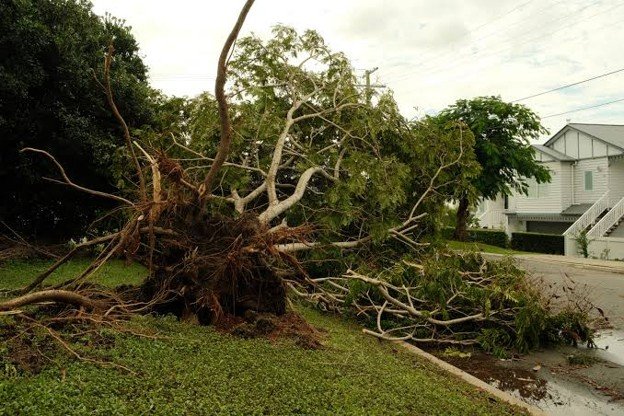
If your tree has become hazardous because of storm damage, high winds, or structural failure, our storm damage cleanup specialists serving El Monte can safely remove fallen trees, broken limbs, and dangerous debris while helping restore your property’s safety.
Trees Near Power Lines Require Extra Precautions
One of the most dangerous situations homeowners encounter is a tree growing close to overhead power lines. Whether the tree is healthy, storm-damaged, or partially fallen, working near energized utility lines requires specialized equipment, training, and strict safety procedures.
Attempting to trim or remove branches touching power lines can expose homeowners to serious electrical hazards. Even branches that appear harmless may conduct electricity under certain conditions.
If your tree is leaning toward utility lines or has already fallen onto them, stay away from the area and notify the appropriate utility provider immediately. After the area has been made safe, a qualified tree service can evaluate the remaining tree and determine the safest removal method.
Our 24-hour emergency tree service in El Monte, CA is available to assess hazardous trees following storms, vehicle impacts, or other emergency situations.
Who Is Responsible if a Tree Falls on a Power Line?
Responsibility depends on the circumstances, including where the tree originated, who owns the property, and which utility infrastructure is involved. Because every situation is different, homeowners should avoid making assumptions and instead contact the appropriate utility provider and their insurance company if property damage has occurred.
The first priority should always be public safety. Never attempt to remove branches or trees that are in contact with energized electrical equipment.
Why Professional Equipment Matters
Tree crews use specialized equipment depending on the project’s complexity.
Common equipment may include:
- Bucket trucks
- Climbing harnesses
- Rigging systems
- Chainsaws
- Wood chippers
- Cranes
- Mini skid steers
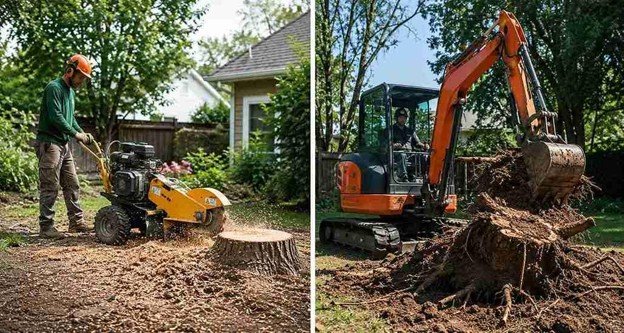
- Stump grinders
Using the appropriate equipment allows crews to safely dismantle large trees while minimizing damage to nearby structures, landscaping, and utilities.
What If Your Neighbor’s Tree Extends Over Your Property?
Questions involving neighboring trees are among the most common concerns homeowners have. Overhanging branches, roots extending beneath fences, or trees that appear unhealthy can create uncertainty about who is responsible for maintenance.
In many situations, open communication between neighbors is the best first step. If a tree appears hazardous or is causing property damage, documenting the issue and requesting a professional inspection can help clarify the condition of the tree before any work begins.
Rather than making assumptions about property rights or local regulations, it’s often helpful to verify current municipal requirements and seek guidance from qualified professionals when necessary.
Signs a Neighbor’s Tree May Need Professional Attention
Some warning signs include:
- Large dead limbs hanging over your property
- Noticeable trunk cracks
- Sudden leaning after a storm
- Exposed root systems
- Significant canopy dieback
- Fungal growth near the trunk base
- Branches contacting structures or utility lines
A professional inspection can help determine whether pruning, cabling, or complete removal may be appropriate.
How Professional Tree Companies Help Determine Permit Requirements
Many homeowners assume they need to contact local agencies before speaking with a tree service company. While verifying local regulations is always important, an experienced contractor can often identify potential permit considerations during the initial site inspection.
During a professional evaluation, crews typically assess:
- Tree species
- Height and canopy spread
- Trunk diameter
- Overall health
- Structural stability
- Property access
- Nearby buildings
- Utility lines
- Drainage areas
- Existing landscape features
This information helps determine the safest removal method and whether additional review may be appropriate before work begins.
If removal is not necessary, a professional may instead recommend tree trimming and pruning services in El Monte to improve tree health while preserving the existing landscape.
Questions Homeowners Should Ask During the Inspection
Before scheduling any work, consider asking:
- Is the tree healthy enough to save?
- Does the tree present an immediate hazard?
- Would pruning solve the problem?
- What equipment will be required?
- Will stump grinding be included?
- How will the property be protected during removal?
- How will debris be removed?
- Are there any permit considerations I should verify?
Asking these questions helps homeowners better understand the recommended work and make informed decisions before the project begins.
Commercial Properties May Have Additional Considerations
Commercial properties often have different maintenance requirements than residential homes. Office buildings, apartment communities, shopping centers, schools, and industrial facilities frequently require ongoing tree management rather than one-time removals.
Additional considerations may include:
- Parking lot access
- Pedestrian safety
- Traffic control
- Business operations
- Insurance requirements
- Landscape management plans
Property managers often schedule routine inspections to identify potential hazards before they become emergencies.
Our complete commercial and residential tree services help property owners maintain safe, attractive landscapes throughout El Monte.
Hillside and Fire Safety Considerations
While many areas of El Monte are primarily urban, some nearby properties may require vegetation management to reduce fire risks or improve access.
Professional tree companies may also provide:
- Brush clearing
- Vegetation management
- Deadwood removal
- Tree thinning
- Storm preparation
These services help reduce potential hazards while maintaining healthier landscapes.
What Happens After a Tree Removal Permit Is Approved?
Once any required approvals have been obtained, the focus shifts from paperwork to planning a safe and efficient tree removal project. Every property is different, so the exact process depends on the tree’s size, location, condition, and accessibility.
A professional tree service will typically review the work area, identify potential hazards, and determine the safest removal method before any cutting begins. This preparation helps protect your home, landscaping, nearby structures, and neighboring properties throughout the project.
If your tree has already become hazardous, our professional tree removal services in El Monte, CA can develop a removal plan tailored to your property’s unique conditions.
Preparing for Tree Removal Day
Before work begins, homeowners may be asked to:
- Move vehicles away from the work area.
- Clear outdoor furniture or decorations.
- Keep children and pets indoors.
- Provide access to driveways or gates if needed.
- Notify neighbors when large equipment may temporarily affect access.
Professional crews typically establish a safe work zone before climbing or operating equipment.
What Happens During the Removal Process?
Although every project is unique, tree removal generally follows these steps:
- Site inspection and safety assessment.
- Equipment setup.
- Controlled branch removal.
- Section-by-section trunk removal.
- Limb chipping and debris collection.
- Final cleanup.
- Optional stump grinding if requested.
Larger trees near homes or utility lines often require specialized rigging systems or crane assistance to safely lower heavy sections without damaging surrounding property.
Choosing the Right Tree Service Company
Selecting a qualified contractor is just as important as understanding permit requirements.
Professional tree removal involves specialized knowledge, safety equipment, and experience working around homes, fences, landscaping, and utilities.
Rather than choosing a company based solely on price, homeowners should evaluate the contractor’s professionalism, communication, and ability to explain the recommended work.
At CanopyQuest Tree Care, we believe informed homeowners make better decisions, which is why we encourage every customer to ask questions before work begins.
Questions to Ask Before Hiring a Tree Service
Before signing an estimate, consider asking:
- How will the tree be removed?
- What equipment will be used?
- Is debris removal included?
- Will the stump remain or be removed?
- How long will the project take?
- What happens if weather delays the work?
- How will nearby landscaping be protected?
Clear communication helps establish realistic expectations and reduces misunderstandings throughout the project.
Common Mistakes Homeowners Make Before Removing a Tree
Tree removal is often a once-in-a-generation project for many homeowners, so it’s understandable that questions arise. However, a few common mistakes can lead to unnecessary costs or safety concerns.
These include:
- Assuming every tree can be removed immediately.
- Waiting too long to inspect a hazardous tree.
- Ignoring visible signs of disease or structural damage.
- Attempting DIY tree removal without proper equipment.
- Choosing a contractor based solely on the lowest price.
- Forgetting to ask about cleanup or stump grinding.
Scheduling a professional evaluation early can help identify the safest and most practical solution before problems become more serious.
Sometimes Removal Isn’t the Best Option
Not every tree needs to be cut down.
In some cases, structural pruning, crown reduction, or routine maintenance may safely extend the life of a healthy tree while reducing potential hazards.
If you’re unsure whether removal is necessary, our tree trimming and pruning specialists in El Monte can assess your tree and recommend the most appropriate course of action.
Tree Removal Permit Checklist for El Monte Homeowners
Before scheduling your project, review this simple checklist:
✅ Determine whether the tree appears hazardous.
✅ Schedule a professional tree inspection.
✅ Verify whether local permit requirements may apply.
✅ Discuss removal options with a qualified tree service.
✅ Ask about equipment, cleanup, and stump grinding.
✅ Plan for safe access to your property.
✅ Request a written estimate.
Completing these steps helps make the removal process smoother while reducing unexpected delays.
Final Thoughts
Removing a tree is an important decision that affects the safety, appearance, and long-term value of your property. While many homeowners begin by asking whether a permit is required, the bigger picture includes evaluating the tree’s condition, understanding local requirements, selecting the safest removal method, and working with experienced professionals.
Every property in El Monte is different, which is why an on-site evaluation is often the best way to determine whether removal is appropriate and whether additional approvals may be necessary.
If your tree has become unsafe, diseased, storm-damaged, or is creating concerns around your home or business, CanopyQuest Tree Care is here to help. Our experienced team provides professional tree removal services in El Monte, emergency response, tree trimming, stump grinding, and storm damage cleanup throughout the community.
For additional homeowner resources, visit our El Monte Tree Service Resource Center, where you’ll find expert guides covering tree care, maintenance, emergency preparedness, and local tree service topics.